Foundation Repair Solutions for Structural Stability
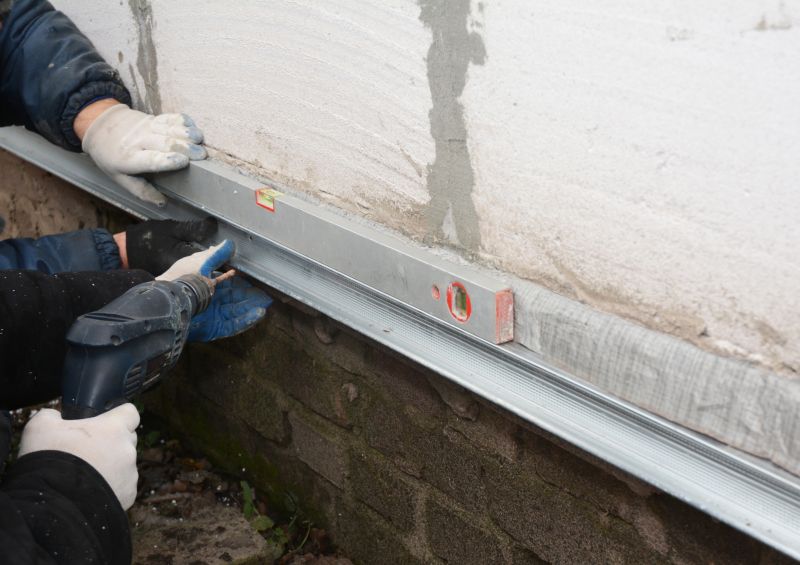
Spring offers moderate temperatures and stable ground conditions, making it suitable for foundation repairs.
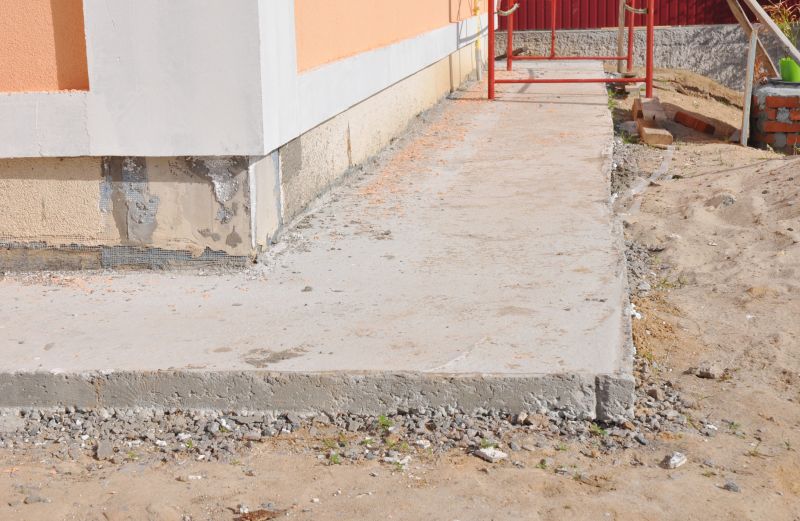
Summer provides longer daylight hours and warmer weather, which can facilitate repair work, but high temperatures may pose challenges.
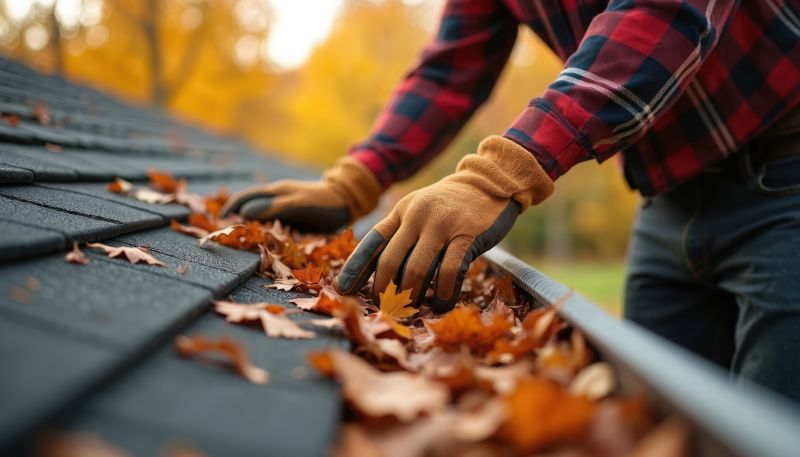
Fall typically has cooler temperatures and less rainfall, allowing for effective repair scheduling before winter.
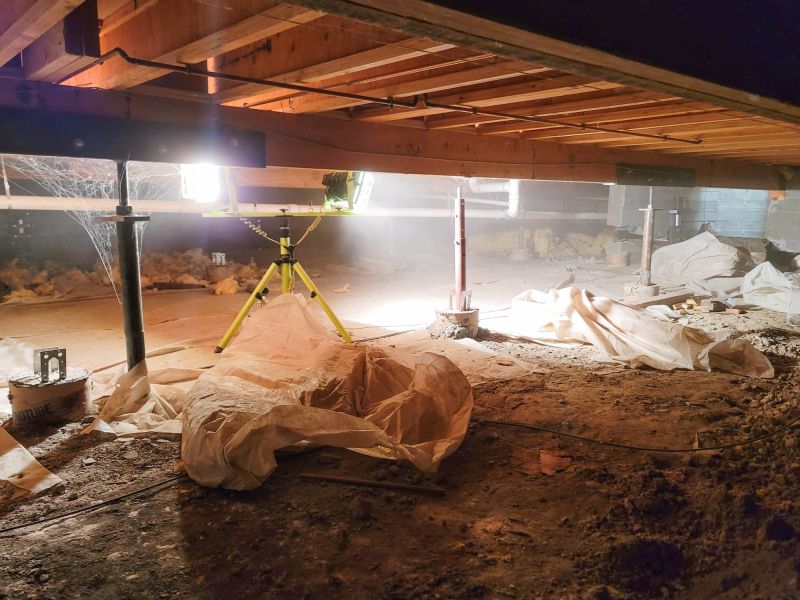
Ways to make Foundation Repairs work in tight or awkward layouts.
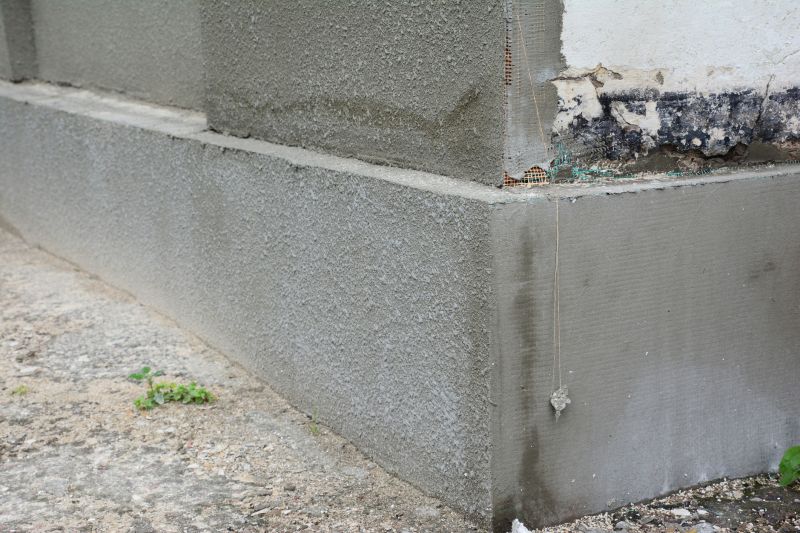
Popular materials for Foundation Repairs and why they hold up over time.
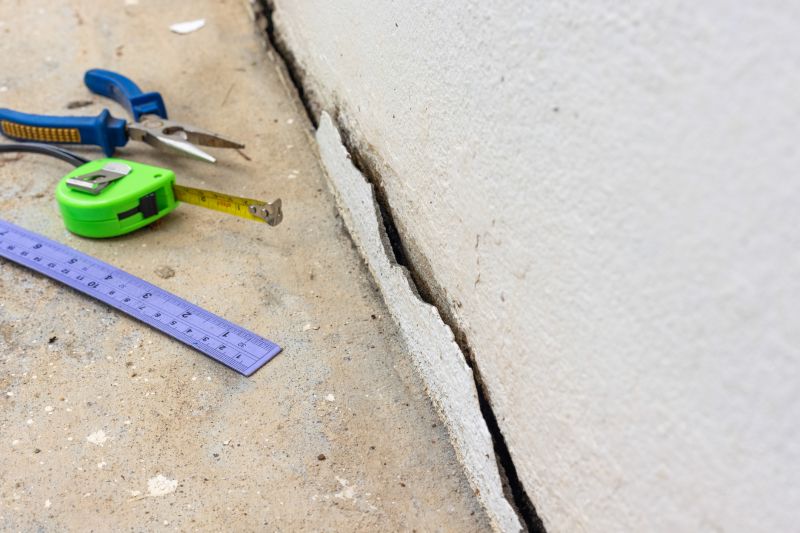
Simple add-ons that improve Foundation Repairs without blowing the budget.
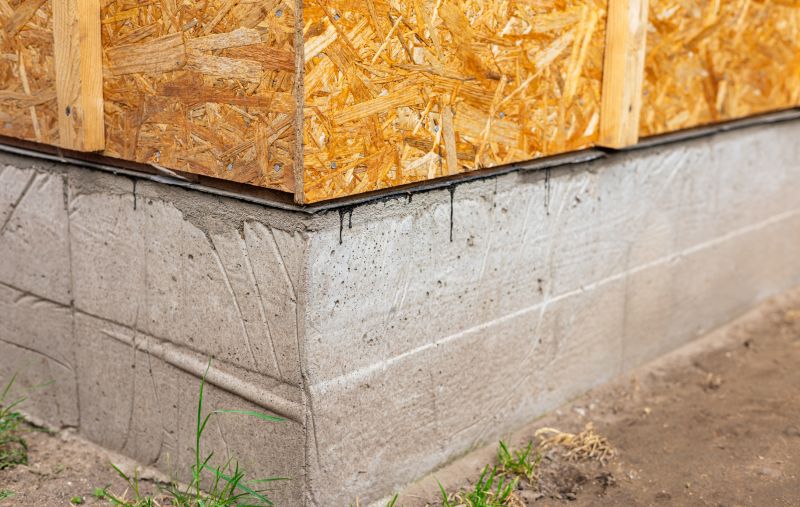
High-end options that actually feel worth it for Foundation Repairs.
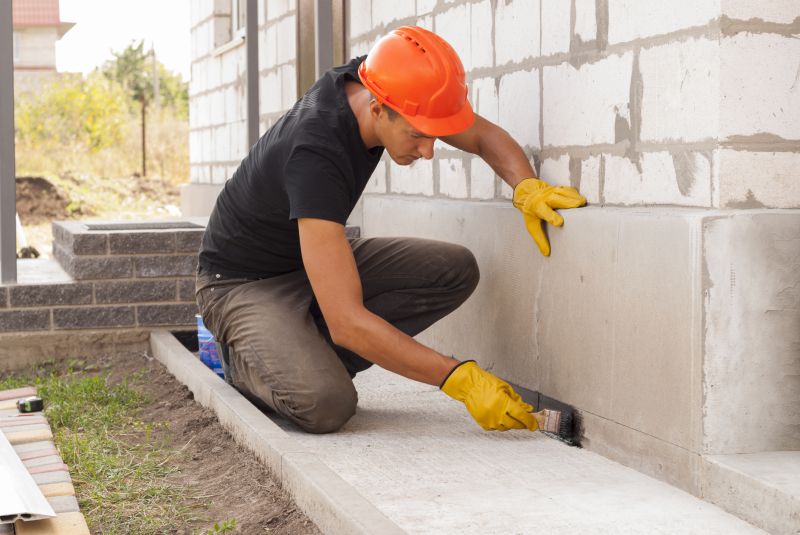
Finishes and colors that play nicely with Foundation Repairs.
Foundation repairs are essential for maintaining the structural integrity of a building. They address issues such as settling, cracking, and shifting that can compromise safety and property value. Timely repairs can prevent more extensive damage and costly fixes in the future.
Statistics indicate that over 20% of homes in regions with variable weather experience foundation problems. Properly timed repairs can reduce the risk of further deterioration, especially in areas prone to soil movement, moisture fluctuations, and temperature changes.
Cracks in walls, uneven floors, and sticking doors are common indicators that foundation repairs may be needed.
Extreme weather conditions, such as heavy rain or drought, can accelerate foundation issues, making timely repairs crucial.
Common methods include piering, underpinning, and slab stabilization, which are most effective when performed under suitable weather conditions.
Repair costs vary based on the extent of damage and season, with timing influencing labor and material availability.
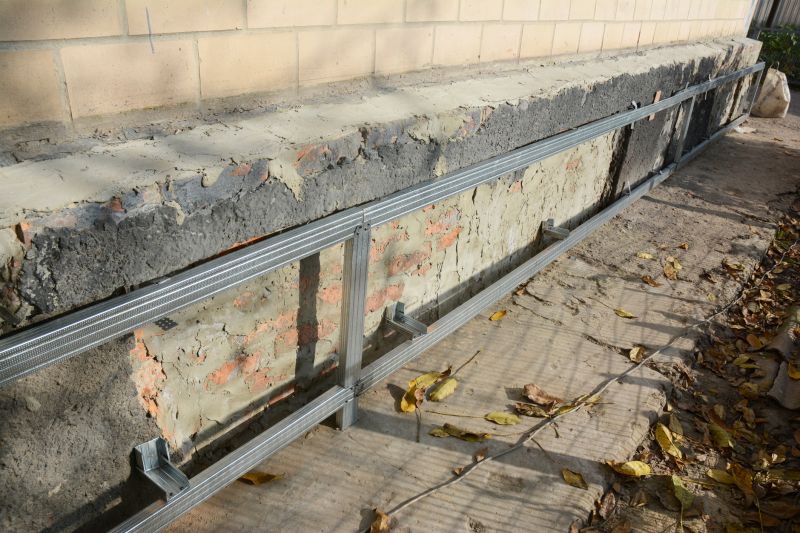
Image showing the step-by-step process of underpinning a foundation.
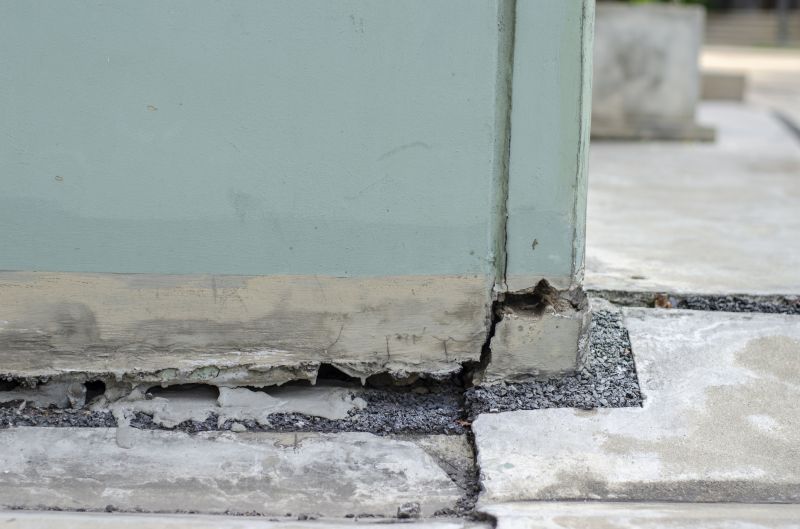
Visual comparison highlighting the effectiveness of timely foundation work.
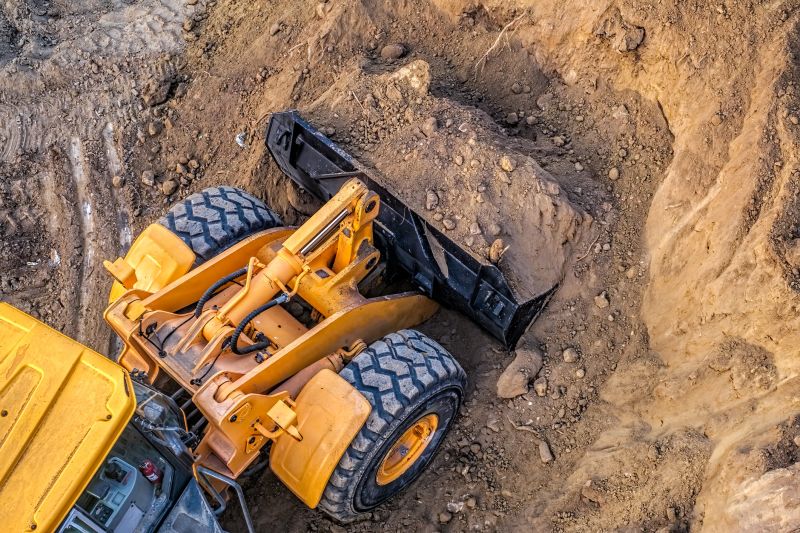
Images of machinery and tools used in foundation stabilization.
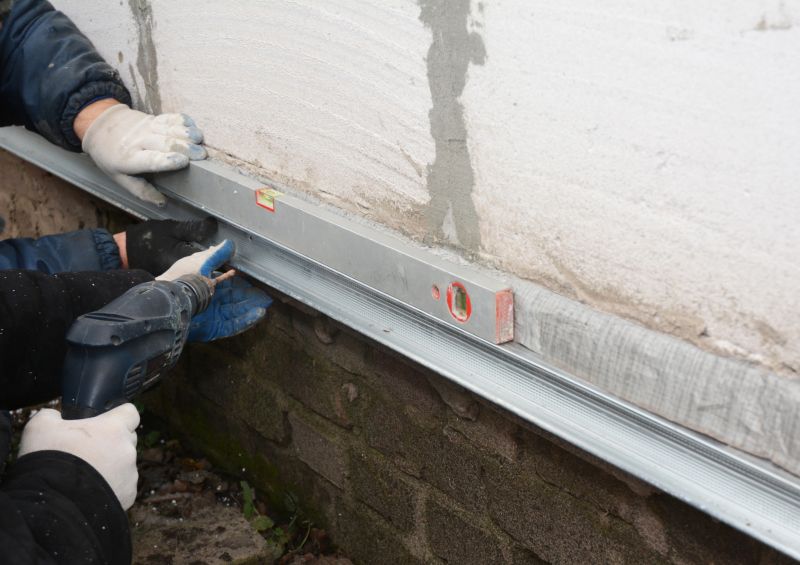
Photos demonstrating soil improvement methods to prevent future foundation issues.
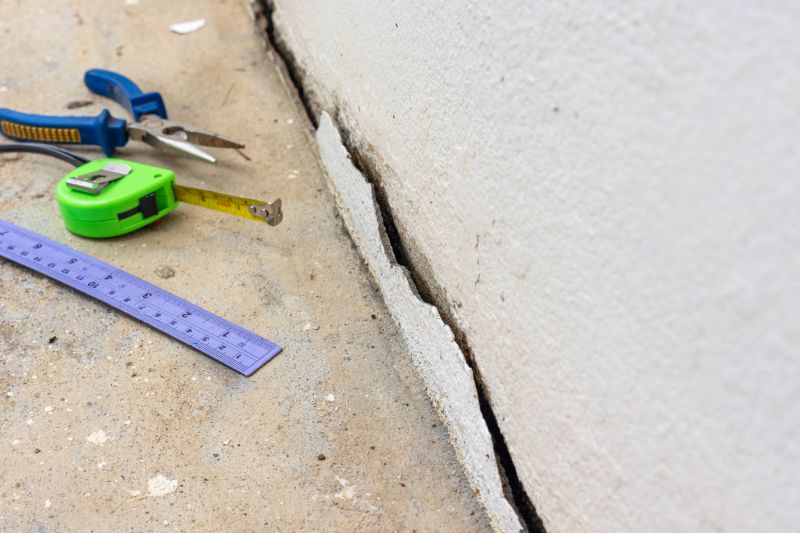
Little measurements that prevent headaches on Foundation Repairs day.
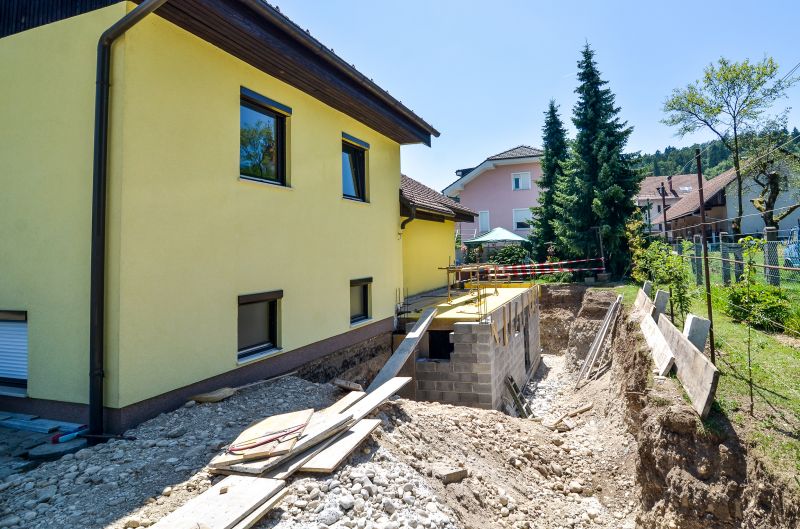
A 60-second routine that keeps Foundation Repairs looking new.
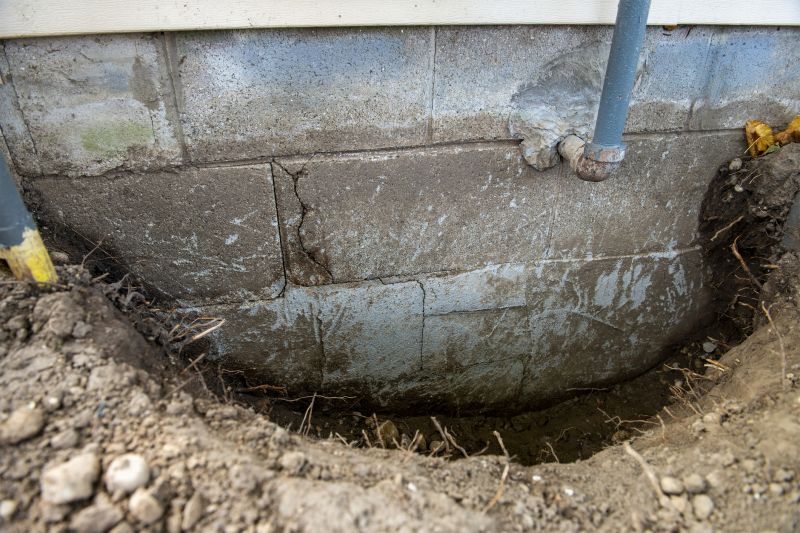
A frequent mistake in Foundation Repairs and how to dodge it.
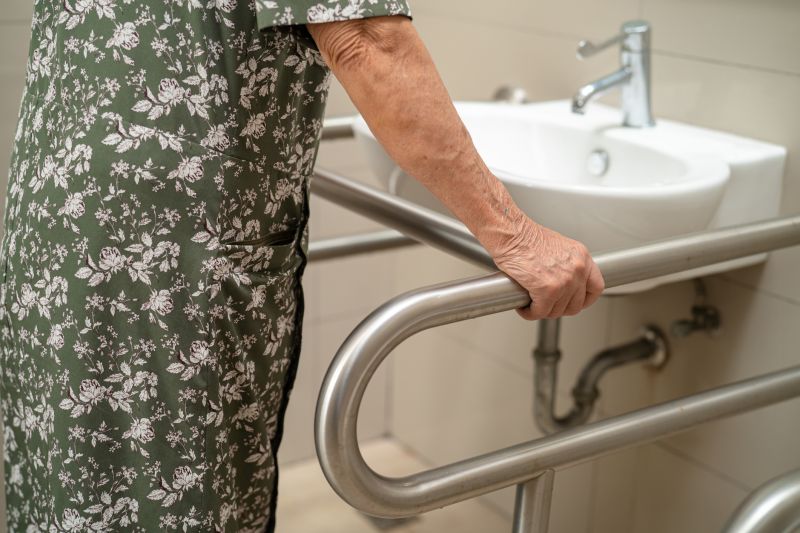
Small tweaks to make Foundation Repairs safer and easier to use.
| Season | Ideal Conditions |
|---|---|
| Spring | Moderate temperatures and increasing moisture levels |
| Summer | Warm weather, longer work days, but potential heat challenges |
| Fall | Cooler temperatures, less rain, optimal for repairs |
| Winter | Cold temperatures and frozen ground, less ideal |
Understanding the best timing for foundation repairs can help homeowners and property managers plan effectively. Conducting repairs during periods of stable weather minimizes delays and enhances the quality of work. Seasonal considerations also impact the selection of repair methods and materials used.
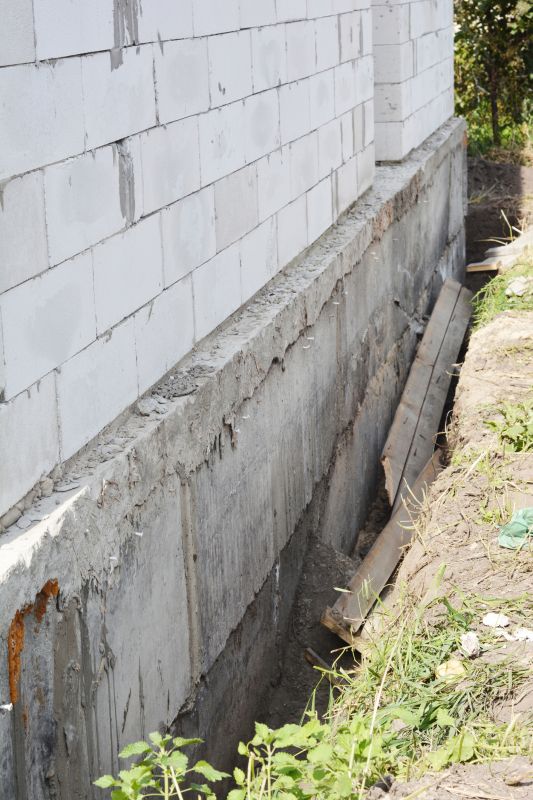
Planning during favorable weather ensures efficient repair execution.
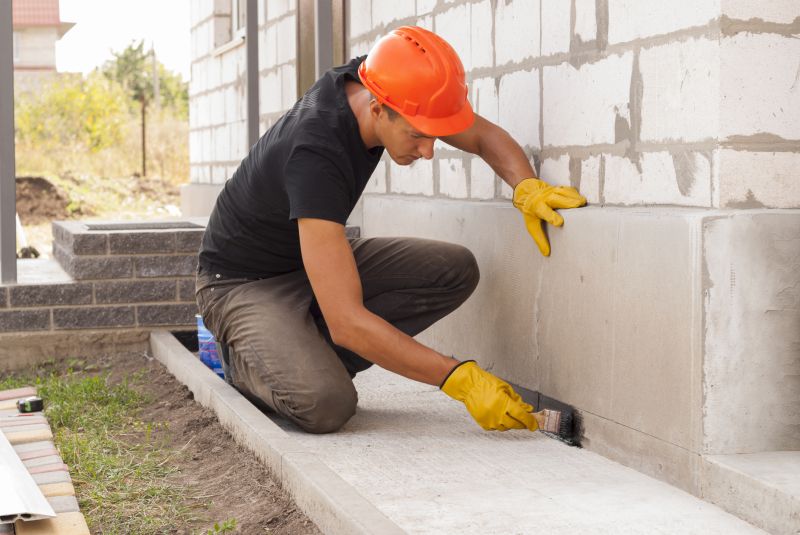
Visual assessments help determine the right time for repairs based on seasonal changes.
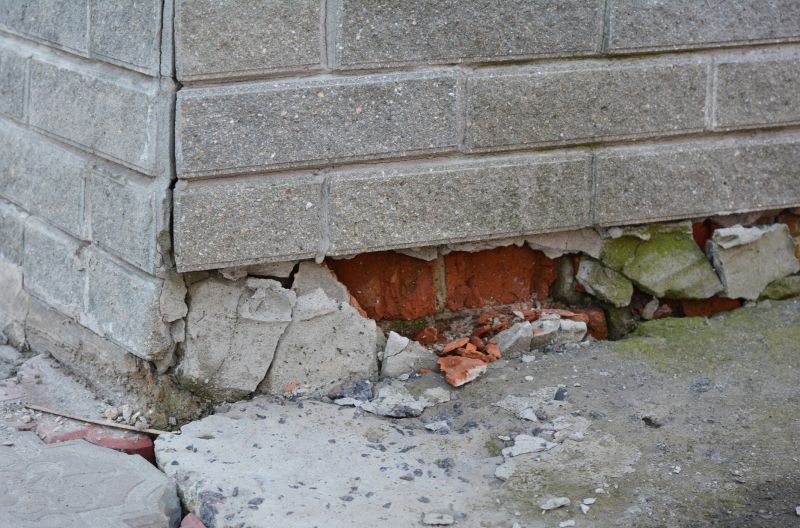
Soil conditions fluctuate with seasons, affecting foundation stability.
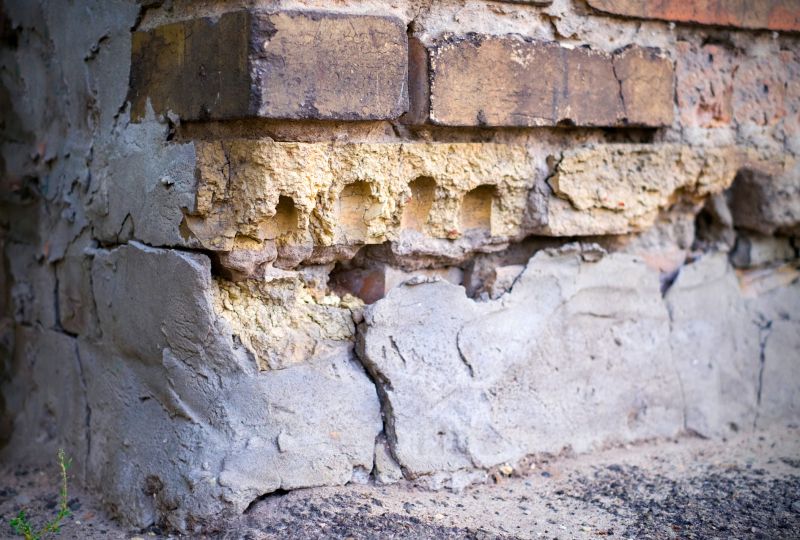
Monitoring foundation health after repairs is essential, especially through seasonal transitions.
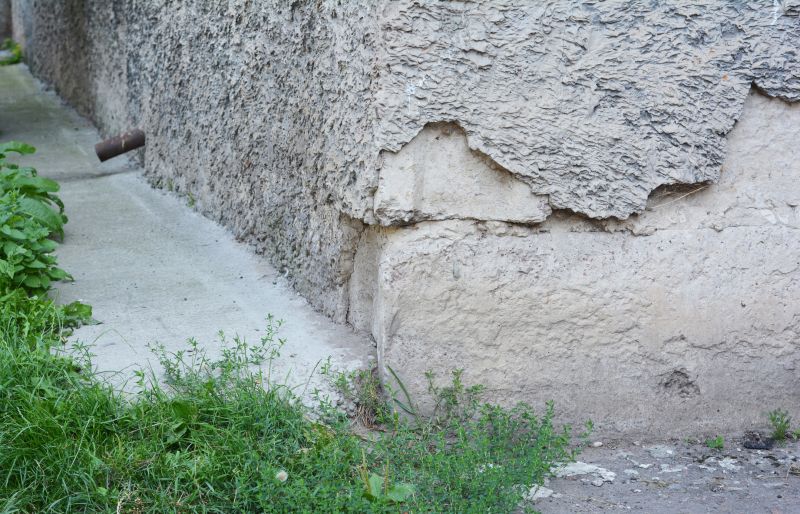
Lower-waste or water-saving choices for Foundation Repairs.

The short, realistic tool list for quality Foundation Repairs.
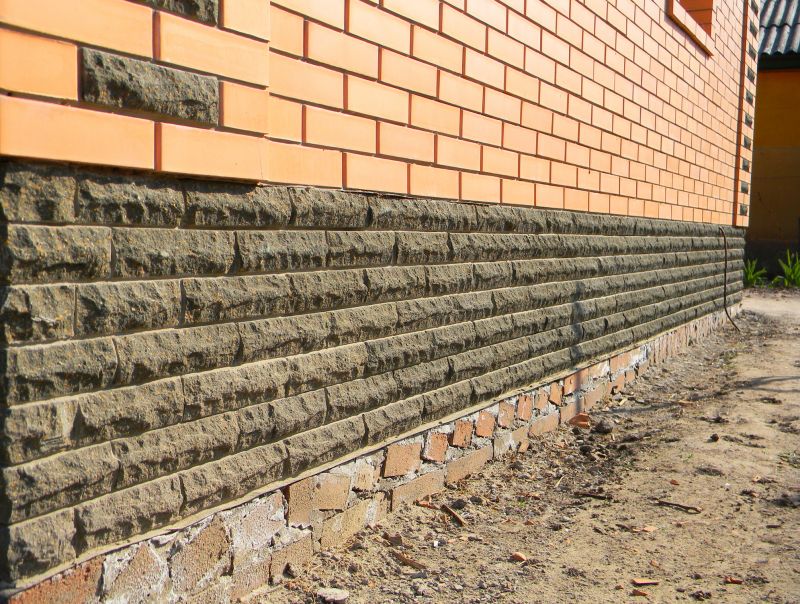
Rough timing from prep to clean-up for Foundation Repairs.
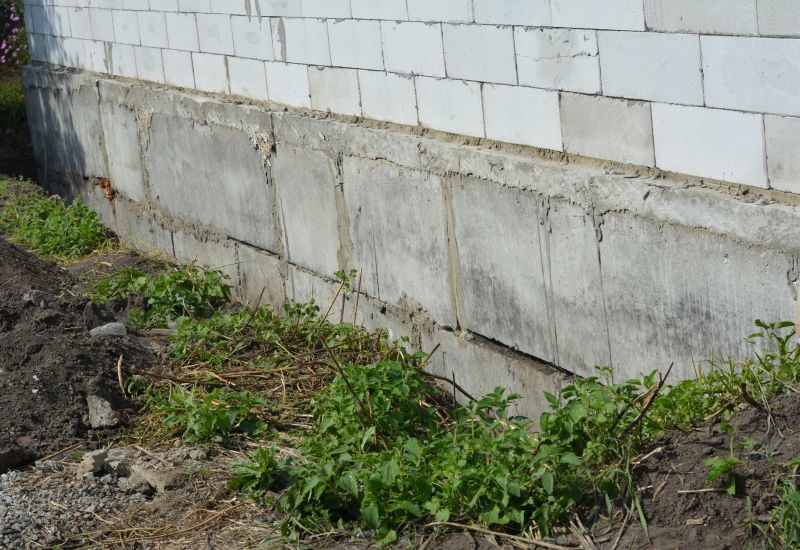
Quick checks and paperwork to keep after Foundation Repairs.
Timely foundation repairs contribute to the longevity of a structure. Recognizing seasonal patterns and weather effects can optimize repair outcomes. When planning foundation work, consider local climate conditions and soil behavior for the best results.
Interested property owners in Amelia, OH, are encouraged to contact for more information about foundation repair options and scheduling. Filling out the contact form can provide tailored guidance based on specific needs and local conditions.